Interesting New Berlin Restaurants to Try in 2026
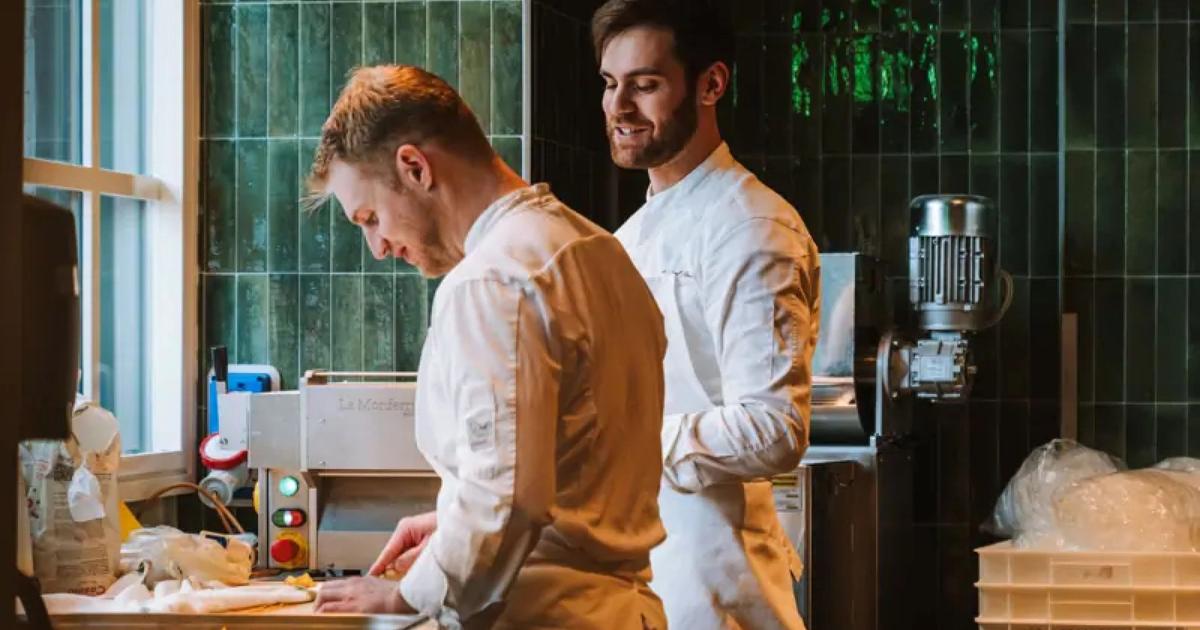
Berlin’s most interesting 2026 food story is not just formal restaurants. It is food halls, rooftops, bakery-cafes, pop-up dinners, relaxed day bars, and ambitious chef-led rooms that can turn into the best meal of the week without the ceremony of fine dining.
This guide is built for people who actually need to choose. Maybe you want a central lunch near Museum Island, a new dinner in Neukölln, an easy aperitivo near Gendarmenmarkt, a brunch plan with daylight, or a short list of Berlin restaurant openings to keep on your radar through the rest of 2026.
Updated August 2026. New restaurants change hours fast, so treat this as a curated starting point and check the restaurant’s own site, booking page, or Instagram before crossing town.
Quick picks
| Pick | Area | Best for | Why go now |
|---|---|---|---|
| KERB Berlin at the Humboldt Forum | Mitte | groups, visitors, casual lunch | A summer food-market setup right by Museum Island, running Wednesday to Sunday from June to October. |
| Pamela | Mitte | aperitivo, pasta, big-night energy | Big Squadra’s new Italian restaurant near Gendarmenmarkt brings a more glamorous, bookable dinner option to the center. |
| Dufte | Charlottenburg | mixed groups, drinks, culture | A large culinary culture house in the Kant-Garagenpalast with kitchens, bars, a cafe, bakery, events, and terrace energy. |
| The Dawn | Charlottenburg / Neukölln | brunch, breakfast, sunny plans | A useful all-day brunch name with a Ku’damm/Kranzler Eck location and rooftop expansion energy around Kalle Neukölln. |
| Mogg at Kalle Halle | Neukölln | sandwiches, casual lunch, food hall crawl | The return of a beloved Berlin deli name inside one of the city’s most interesting newer food halls. |
| Bari Berlin | Neukölln | aperitivo-to-dinner | An Italian-American day bar and restaurant on Friedelstraße that fits a loose late-afternoon plan. |
| Eszenzia | Charlottenburg | calm neighborhood dinner | A quieter seasonal restaurant for slower lunches, small dinners, and plans that do not need to become a scene. |
| Bark Berlin | Charlottenburg | gallery-adjacent food, special dinners | Food culture connected to C/O Berlin, with dinner series and creative programming rather than a standard restaurant rhythm. |
| Fukagawa | Kreuzberg | a considered Japanese tasting menu | The team behind the ramen shops has opened a more refined, French-influenced multi-course room. |
| Almi Bistro | Prenzlauer Berg | seasonal neighborhood dinner | A personal modern-European bistro with low-intervention wine and a calmer, craft-led mood. |
| Chuàn Shāo | Charlottenburg | skewers and a casual group dinner | Chinese shāo kăo barbecue skewers, including tofu and vegetable options, near Kantstraße. |
| Moment Berlin | Mitte | a polished lunch near the Hauptbahnhof | Japanese-Italian cooking and lunch deals make it a useful central meeting point. |
Best new Berlin restaurants by occasion
Best central lunch or group meal: KERB Berlin at the Humboldt Forum. It is the easiest answer when one person wants something quick, another wants something vegetarian, and nobody wants to spend 25 minutes negotiating a menu. It also works neatly before or after Museum Island, the Humboldt Forum, Unter den Linden, or a Spree walk.
Best polished new dinner in Mitte: Pamela. The draw is not quiet minimalism; it is a big Italian room near Gendarmenmarkt with pasta, pizza, cocktails, and a strong aperitivo-to-dinner use case. Book ahead for evenings and weekends.
Best food-hall plan: Kalle Halle in Neukölln, especially if you want Mogg or a flexible lunch-to-drinks setup on Karl-Marx-Straße. Food halls are not always the most romantic answer, but they are extremely useful when people have different cravings.
Best for brunch: The Dawn if you want pancakes, eggs, breakfast plates, or a daytime meeting point that feels more planned than grabbing a random cafe table. Its Ku’damm location also makes it useful for City West shopping, galleries, or a visitor day.
Best calm neighborhood dinner: Eszenzia in Charlottenburg. Put it on the list when you want seasonal cooking and conversation rather than a loud room where every table is filming dessert.
Best easy aperitivo plan: Bari Berlin in Neukölln or Pamela in Mitte. Bari is the looser neighborhood choice; Pamela is the more central, dressed-up option.
Best food-culture wildcard: Bark Berlin and other dinner series tied to galleries, chefs, wine bars, and pop-ups. These are not always useful for a same-night booking, but they are often where Berlin’s more interesting dining ideas appear first.
Best new Japanese-led dinner: Fukagawa in Kreuzberg. The project moves beyond the team’s ramen roots with a multi-course menu that uses familiar Japanese flavours and techniques alongside French ones. It is the better choice here when you want the meal itself to be the evening’s plan.
Best useful newcomer around Kantstraße: Chuàn Shāo. The skewers are built for sharing, beer, and a low-pressure dinner, with meat, tofu, mushroom, and vegetable options. It is especially practical when a group wants something more specific than another generic City West dinner.
Neighborhood guide
Mitte
Mitte is the most practical area for visitors, museum days, office lunches, and plans that need to work without too much local knowledge. In 2026, the important shift is that you have more than the usual central fallback options.
KERB Berlin at the Humboldt Forum gives the area a flexible summer food-market plan from Wednesday to Sunday. It is not a single restaurant, which is exactly the point: it solves the “where can we all eat near Museum Island?” problem better than many formal restaurants do.
Pamela, meanwhile, is better for a booked dinner, a lively birthday, a first-night-in-Berlin meal, or an aperitivo that turns into pasta. It sits near Gendarmenmarkt, so you can pair it with the Konzerthaus, Friedrichstraße, Unter den Linden, or a central hotel plan.
Charlottenburg
Charlottenburg has become one of the more interesting areas to watch because it offers two different speeds: glossy City West openings and slower neighborhood restaurants.
Dufte is one of the more useful 2026 additions because it is bigger than a normal restaurant decision. It combines several kitchens, bars, a cafe, bakery, culture programming, and terrace space inside the Kant-Garagenpalast. That makes it good for mixed groups, early drinks, a casual date, or a night where you do not want to commit to a single cuisine too early.
Eszenzia is the opposite kind of useful: smaller, calmer, and more neighborhood-led. It is the place to consider when you want a slower table, seasonal food, and a lower-drama dinner.
Bark Berlin adds another Charlottenburg angle: dining around C/O Berlin, cultural programming, and special formats. Check the current schedule before planning around it.
Neukölln
Neukölln remains one of Berlin’s strongest zones for casual food, day bars, pop-ups, and flexible dinner plans. The 2026 theme is less about one blockbuster restaurant and more about useful clusters.
Kalle Halle is the anchor. The food hall format means you can go for lunch, an early dinner, or a casual group plan without needing the same level of reservation discipline as a small dining room. Mogg gives it a clear food reason to visit if you have been missing the city’s old deli energy.
Bari Berlin on Friedelstraße is worth watching because it fits a very Berlin use case: coffee or aperitivo first, then dinner if the mood holds. New openings like this can shift hours while they settle, so verify before making it the centerpiece of a night.
Kreuzberg, Schöneberg, and Prenzlauer Berg
This is the part of the city to use for a more restaurant-led evening. Fukagawa on Fichtestraße is the sharper, book-ahead option in Kreuzberg: the team behind the ramen restaurants has turned its Japanese foundations into a more refined multi-course format. In Prenzlauer Berg, Almi Bistro makes the quieter counterpoint, with seasonal modern-European cooking, low-intervention wine, and a warm neighbourhood rhythm.
For a quick update to the city’s casual map, Chuàn Shāo has brought Chinese barbecue skewers to Kantstraße in Charlottenburg, while Aroma has opened a Friedrichshain branch with Cantonese cooking and a substantial dim sum menu. Neither needs to become a formal occasion: they are useful additions for groups that want a more specific dinner without a tasting-menu commitment.
Mitte and the Hauptbahnhof
Moment Berlin is an easy newcomer to keep in mind near the Hauptbahnhof. Its Japanese-Italian menu and weekday lunch offers make it more practical for a business lunch, hotel-area dinner, or train-day meeting than for a destination night. That is still a valuable gap to fill in this part of Mitte.
For the rest of 2026, keep an eye on Kreuzberg, Schöneberg, and Prenzlauer Berg for chef-led openings, wine-bar kitchens, and permanent versions of pop-up projects. Berlin Food Stories’ 2026 watch list includes ambitious names and concepts around Mexican-German cooking, sushi, ramen, Thai home cooking, Italian regional food, and more. Some will open, some will move slowly, and some may change form before they become easy to recommend.
That is why the best approach is to separate open now from watch closely. If a place is already open, check hours and book. If it is still in the rumor or soft-opening stage, follow the restaurant directly and keep a backup plan nearby.
What to order, broadly
You do not need to chase every dish on social media. A better Berlin strategy is to understand what each kind of place is likely to do well.
- At food halls, order from vendors with short menus and visible turnover.
- At Italian openings, look for simple pastas, crudi, seasonal specials, and aperitivo snacks before committing to the whole menu.
- At brunch-focused places, go early or book when possible; late brunch in Berlin can mean queues and sold-out specials.
- At neighborhood restaurants, ask what is seasonal or new that week.
- At pop-ups, choose the set menu if there is one. The best value is usually in letting the kitchen cook what it came to cook.
- At wine bars, do not ignore the small food menu. Berlin’s most memorable casual dinners often come from a tight list of three to eight dishes.
A smart one-day food route
If you want to turn this into an actual day out, use geography instead of trying to collect every hyped opening.
Start in City West with brunch at The Dawn or a slow Charlottenburg lunch at Eszenzia if the hours fit. Spend the afternoon around C/O Berlin, Kantstraße, Savignyplatz, or the Tiergarten edge. For dinner, choose between Dufte if you want a larger, flexible setting, or head east to Pamela for a central Italian dinner near Gendarmenmarkt.
For a more local-feeling route, start around Museum Island, eat casually at KERB Berlin, then take the U8 toward Neukölln for Kalle Halle, Bari Berlin, or whatever pop-up has the strongest current pull. This version is less polished and more Berlin.
Booking tips for new Berlin restaurants
New restaurants can be awkward in the first months. Booking systems lag, hours change, kitchens close between services, and Instagram may be more current than the website. Before making a restaurant the center of your evening, check these things:
- Current opening days and kitchen hours.
- Whether reservations are required, recommended, or not accepted.
- Whether the place is still in soft opening.
- Whether the menu works for vegetarians, kids, non-drinkers, or anyone with dietary restrictions.
- Whether the location makes sense for the rest of your night.
For small restaurants, book earlier in the week or aim for an early table. For food halls and markets, check the overall venue hours and the vendor’s own hours. For pop-ups, buy tickets or reserve as soon as the date is announced.
New Berlin restaurant openings to watch in 2026
The openings still worth tracking this year are the ones with a clear reason to exist: a chef with a point of view, a food style Berlin needs more of, a useful neighborhood location, or a format that solves a real planning problem.
Names to monitor include the 2026 Berlin Food Stories watch-list projects such as Elotl in Schöneberg, Nichi Getsu in Friedrichshain, Breda in Kreuzberg, RRAM in Mitte, Iconico in Kreuzberg, and Food Technique in Prenzlauer Berg. Treat those as a radar list, not guaranteed recommendations. Almi Bistro and Fukagawa have now moved from that radar into the guide above; check current booking rules before going.
What is actually changing in Berlin
The useful trend is more formats, not just more expensive dining rooms. Kalle Halle and Dufte make a meal easier to plan with friends; a person can arrive for coffee, another for dinner, and nobody has to pretend a single fixed menu fits every mood. The other side of the shift is the small chef-led room: Fukagawa, Almi, and the projects on the watchlist make a case for booking a proper dinner rather than treating the city only as a street-food stop.
There is also a healthy middle: serious food below special-occasion pricing. Skewers on Kantstraße, a deli sandwich at Mogg, a casual bar meal in Neukölln, or a food-market lunch near Museum Island are not consolation prizes. They are the places to use when you want a good meal without organising the entire evening around it. That distinction matters in Berlin, where the best choice is often the one that leaves enough room for the rest of the night.
For value, lunch remains the cheat code. Look for weekday lunch menus around Hauptbahnhof and City West, smaller dishes at wine bars, and early visits to food halls. For a splurge, choose one kitchen with a clear point of view and reserve in advance; a vague “new opening” is not, on its own, a reason to pay tasting-menu money.
FAQ
What is the best new Berlin restaurant for visitors in 2026?
For visitors, start with KERB Berlin at the Humboldt Forum for an easy daytime plan near Museum Island, or Pamela for a more polished central dinner near Gendarmenmarkt.
What is the best new Berlin food hall?
Kalle Halle in Neukölln is one of the most useful food-hall answers, especially with Mogg inside and market hours that suit lunch, early dinner, and casual groups.
Where should I go for a new Berlin brunch spot?
The Dawn is the safest name on this list for a brunch-first plan. For a quieter daytime meal, also check current hours at Eszenzia or the cafe/bakery side of Dufte.
Which Berlin neighborhoods are best for new restaurants in 2026?
Mitte is best for visitors and central bookings, Charlottenburg is strong for City West openings and calmer neighborhood dinners, and Neukölln is best for food halls, casual day bars, and flexible nights. Kreuzberg, Schöneberg, and Prenzlauer Berg remain the main areas to watch for chef-led openings and pop-ups.
Should I trust opening lists?
Use opening lists as radar, not as proof. A restaurant can be announced, soft-opened, temporarily closed, or changing hours in the same month. Always verify directly before booking.
Related AllAround guides
- Best Berlin Beer Gardens and Outdoor Bars for Summer 2026
- Best Markets and Street Food Events in Berlin This June
- New Cafes and Bakeries to Try in Berlin in 2026
- Best Date Night Ideas in Berlin
- Best Things to Do in Berlin in July 2026
Sources and update notes
This guide is updated from official venue pages and local opening coverage, including Humboldt Forum’s KERB Food Market listing, visitBerlin’s June openings, visitBerlin’s July openings, The Berliner’s current openings guide, Berlin Food Stories’ 2026 restaurant opening watch list, Kalle Halle, Dufte, Pamela, The Dawn, Eszenzia, and Bari Berlin.
Before you go, check the restaurant’s current hours, booking rules, and latest posts. That is especially important for soft openings, food halls, summer terraces, and pop-up dinners.