Interesting New Montreal Restaurants in 2026
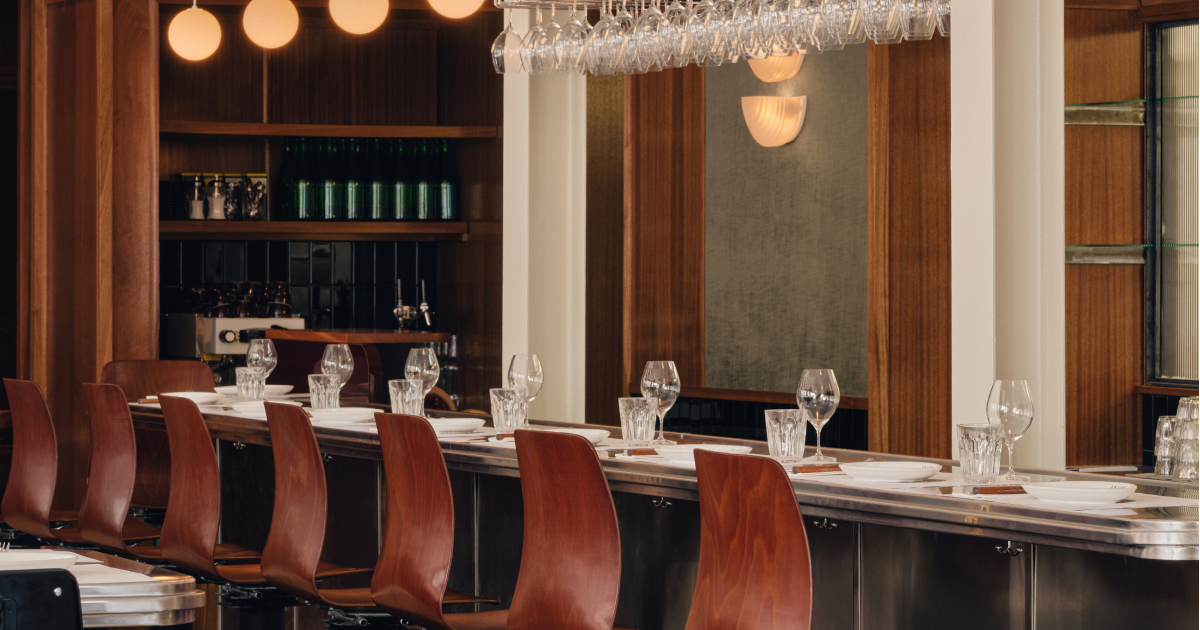
Montreal’s 2026 restaurant scene is strong because the new openings are not all trying to do the same thing. There are casual counters, polished dining rooms, neighborhood diners, Japanese skewers, Vietnamese canteens, big downtown rooms, and new food-hall energy.
Start with Yakitori Hibahihi on Saint-Hubert if grilled skewers, izakaya energy, and a compact menu sound right. Gueuleton is the bigger meat-and-wine arrival, notable because the Montreal location brings a European brand to this side of the Atlantic with a Quebec-focused sourcing angle.
For a more restaurant-driven night, the 2026 list now needs several sharper additions. Routy on Van Horne is the splurge pick from the Myers team, useful for refined French cooking and special occasions. Plume on Fairmount brings a polished but warm French-inspired date-night option from alumni of Bouillon Bilk. Osteria Berto in Villeray is the Italian opening to watch, with a Maison Boulud-trained chef and a sommelier-led dining-room angle.
For something more neighborhood-driven, Arthur’s Dinette on Monkland is an easy one to watch: diner-bistro energy from the Arthur’s/Romies orbit, useful for brunch, dinner, or a relaxed date. Tô Dinette Viet adds a colorful, casual Vietnamese option on Saint-Hubert. Celeste, in Maison Alcan, is the more polished downtown Italian room with house-made pasta and a dramatic setting.
If you want something livelier or more contemporary, add Neotokyo NAKAGIN in Mile End for retro-futuristic izakaya-style sharing plates, Chouchou on Beaubien for Chinese flavours through French technique and Quebec ingredients, and Beyt Cave à Manger on Saint-Laurent for a wine-bar/bottle-shop format with Libano-Mediterranean plates.
The July openings add useful range rather than another stack of special-occasion rooms. La Buvette Clark brings French-inspired small plates and wine to the Central food hall in the Quartier des Spectacles. Pizzeria Crosta in Mile End is the casual, first-come pizza stop, with naturally leavened dough and New York-style slices. In Outremont, Cameleon is the more polished choice for seasonal contemporary French cooking.
For Old Montréal, Gioia De - Cucina Sociale is a relaxed Italian option built around fresh pasta, wood-fired pizza, seafood, and sharing. In Petite-Bourgogne, ’noy Asian Snack Bar is the livelier late-plan pick: handmade bao, cocktails, and Asian street-food influences in a compact room.
Also track Les Terrasses at Centre Eaton, which adds another downtown dining layer for people moving through the core, and Rôtisserie La Lune, which has drawn national attention among new Canadian restaurants.
The Montréal split: book-ahead rooms and very good casual food
The strongest recent Montréal pattern is not one cuisine. It is the coexistence of ambitious, quietly polished dining rooms with places you can use on an ordinary Tuesday. Routy, Plume, Cameleon, and Osteria Berto fit the first group: they reward a reservation and a longer meal. Crosta, Tô Dinette Viet, ’noy, La Buvette Clark, and the food-hall additions are the second: still specific, but easier to fold into a walk, show, or loose group plan.
That makes neighbourhood choice more useful than chasing a citywide “best” list. Mile End and Fairmount can support pizza, drinks, and a late dessert without a formal itinerary. Villeray and Rosemont reward a deliberate dinner. Downtown is increasingly practical for an early reservation before a performance, but it is not automatically where the most interesting food is. If the meal is the event, travel for it; if it is part of the event, choose the area first.
For lower-cost discovery, look for a counter, lunch service, a short wine-bar menu, or a restaurant week menu rather than forcing a luxury room into the plan. Montréal’s new scene has real range, and the most satisfying meal may be a plate of skewers or a slice followed by a drink—not necessarily the hardest reservation.
Watchlist
- Yakitori Hibahihi for skewers and izakaya cooking.
- Routy for a higher-end French-leaning dinner.
- Plume for a polished Fairmount date night.
- Neotokyo NAKAGIN for a fun Mile End group dinner.
- Osteria Berto for contemporary Italian in Villeray.
- Chouchou for a more personal Chinese-French-Quebec table.
- Beyt Cave à Manger for wine-bar energy on Saint-Laurent.
- Gueuleton for meat, wine, and group dinners.
- Arthur’s Dinette for an NDG brunch-to-dinner option.
- Tô Dinette Viet for casual Vietnamese food.
- Celeste for downtown Italian in a big room.
- Les Terrasses for convenient downtown food-hall energy.
- Rôtisserie La Lune for a sharper new-restaurant pick.
- La Buvette Clark for French-inspired small plates and wine at the Central.
- Pizzeria Crosta for naturally leavened, first-come pizza in Mile End.
- Cameleon for seasonal contemporary French cooking in Outremont.
- Gioia De - Cucina Sociale for an easy Old Montréal Italian dinner.
- ’noy Asian Snack Bar for bao, cocktails, and a Petite-Bourgogne night out.
How to choose where to go first
If you want the safest bet for a relaxed meal, start with Arthur’s Dinette. It has the kind of flexible day-to-night shape that makes sense for a first visit: brunch, dinner, and a room that does not require a special-occasion mood.
If you want a livelier night, look at Yakitori Hibahihi, Neotokyo NAKAGIN, or Tô Dinette Viet. These are more useful when you want food with energy rather than a long, formal dinner. If you are downtown before a show, Celeste or Les Terrasses may make more sense because the route is easier.
For a sharper restaurant-focused evening, use this as a shortlist and then confirm with Tourisme Montréal’s new restaurant guide, Tastet’s 2026 list, or the restaurant’s own booking page. New restaurants change hours quickly.
Best by occasion
- Casual brunch: Arthur’s Dinette.
- Special occasion: Routy or Plume.
- Italian dinner: Osteria Berto or Celeste, depending on neighborhood.
- Group dinner: Gueuleton, if the meat-and-wine format fits everyone.
- Lively casual night: Yakitori Hibahihi, Neotokyo NAKAGIN, or Tô Dinette Viet.
- Wine-bar night: Beyt Cave à Manger.
- Downtown polish: Celeste.
- Convenient central food stop: Les Terrasses.
- Pre-show small plates: La Buvette Clark at the Central.
- Casual pizza: Pizzeria Crosta, especially if you can arrive early.
- Outremont dinner: Cameleon.
- Old Montréal group meal: Gioia De - Cucina Sociale.
- Petite-Bourgogne snacks and drinks: ’noy Asian Snack Bar.
- Food-obsessed pick: Rôtisserie La Lune.
Pair dinner with something nearby
Food should connect to the rest of the night. If you are heading to Francos de Montréal or Jazz Fest, choose downtown and avoid a cross-city transfer after dinner. If you are doing MURAL Festival, stay around Saint-Laurent, Mile End, or the Plateau. If the plan is mostly a restaurant night, book early enough that you still have room for a walk afterward.
Related AllAround guides
- Best Date Night Ideas in Montreal This June
- Best Markets and Street Food Events in Montreal This June
- New Cafes and Bakeries to Try in Montreal in 2026
Before you go
Check hours and reservations directly. New restaurants often change service days, menus, and booking rules after opening.
Sources to check before going: Tourisme Montréal new restaurants, Tastet best new restaurants 2026, RestoMontréal’s July 2026 openings, and Canada’s 100 Best: Rôtisserie La Lune.